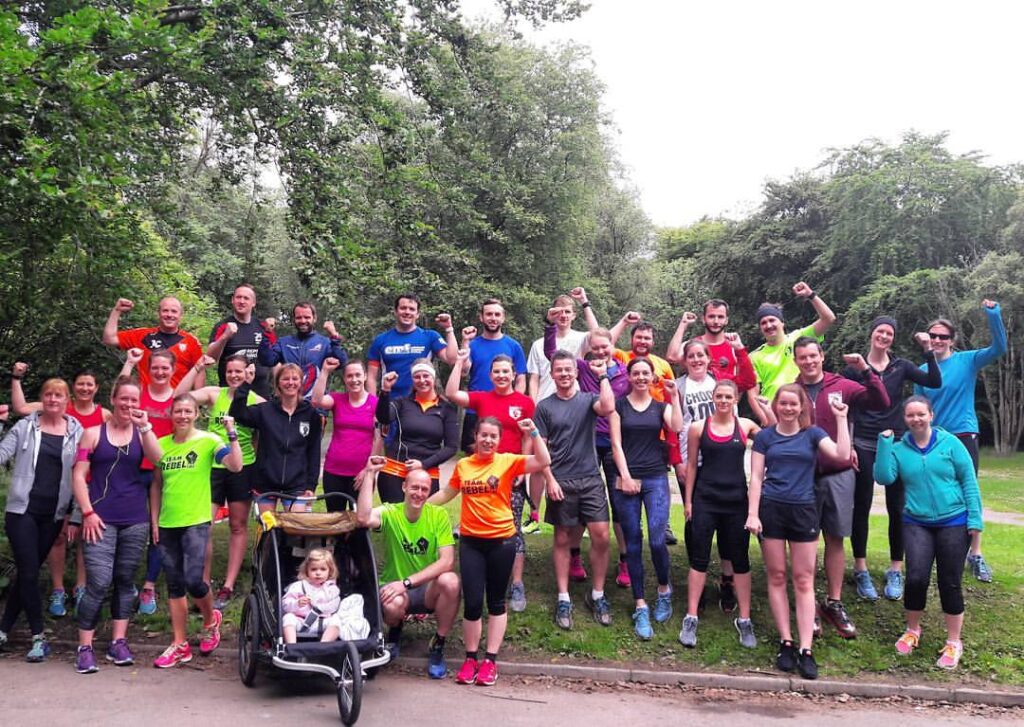
Running is a big part of Rebel PT boot camps, so if you want to increase your running capability, come along to a Rebel PR free trial at our Aberdeen or Edinburgh outdoor fitness sessions. Not only will you get a chance to enhance your running, but you’ll also train with fellow outdoor fitness fans and increase your strength and endurance too.
We know that getting running or getting back into it can be daunting, so we want to make this feel easier for you.
What is 5k in miles?
A 5KM running race is the same as 3.1 miles.
Setting Running Goals
Before you start training for a 5K run, it’s a good idea to set realistic running goals that you can achieve.
You can set a goal of completing the race within a specific time, running the entire distance without stopping, or simply finishing the race. Setting goals will give you a sense of purpose and motivation to stick to your training plan.
Choose a Training Programme
If you are new to running or haven’t run in a while, or perhaps you are wondering how to run a faster 5k? We recommend starting with a beginner’s 5k training plan like the “Couch to 5K” mobile app. This program gradually increases your running time and distance over a few weeks, giving your body time to adapt to the physical demands of running. If you are an experienced runner, you can choose a more advanced training program that suits your fitness level and running goals.
What is the average 5k run time by age?
The average 5K run time can vary greatly depending on age, gender, fitness level, and other factors. However, based on data from running events and online race results, here is a general breakdown of average 5K run times by age group:
- 14-19 years old: Male – 21:57, Female – 28:34
- 20-24 years old: Male – 20:29, Female – 24:18
- 25-29 years old: Male – 21:02, Female – 25:53
- 30-34 years old: Male – 22:11, Female – 26:56
- 35-39 years old: Male – 23:01, Female – 27:54
- 40-44 years old: Male – 23:54, Female – 28:48
- 45-49 years old: Male – 24:29, Female – 30:08
- 50-54 years old: Male – 25:32, Female – 31:09
- 55-59 years old: Male – 27:34, Female – 33:50
- 60-64 years old: Male – 28:39, Female – 35:58
- 65-99 years old: Male – 30:33, Female – 40:54
These times are averages and can vary based on individual fitness levels and other factors.
Stick to a 3-Day-a-Week Running Plan
Consistency is key when training for a 5K run. A 3-day-a-week running plan is great for beginners, where you can focus on improving your endurance and speed.
You can alternate between running and walking breaks during your training runs to prevent injury and build stamina. Doing this in combination with Couch to 5K can ease you gently into running a 5K.
Incorporate Strength Training
Strength training is essential to running; it helps build muscular endurance and prevents injuries. You can incorporate strength training exercises like squats, lunges, and planks into your weekly workout routine to strengthen your core, legs, and upper body.
Practice Dynamic Stretching
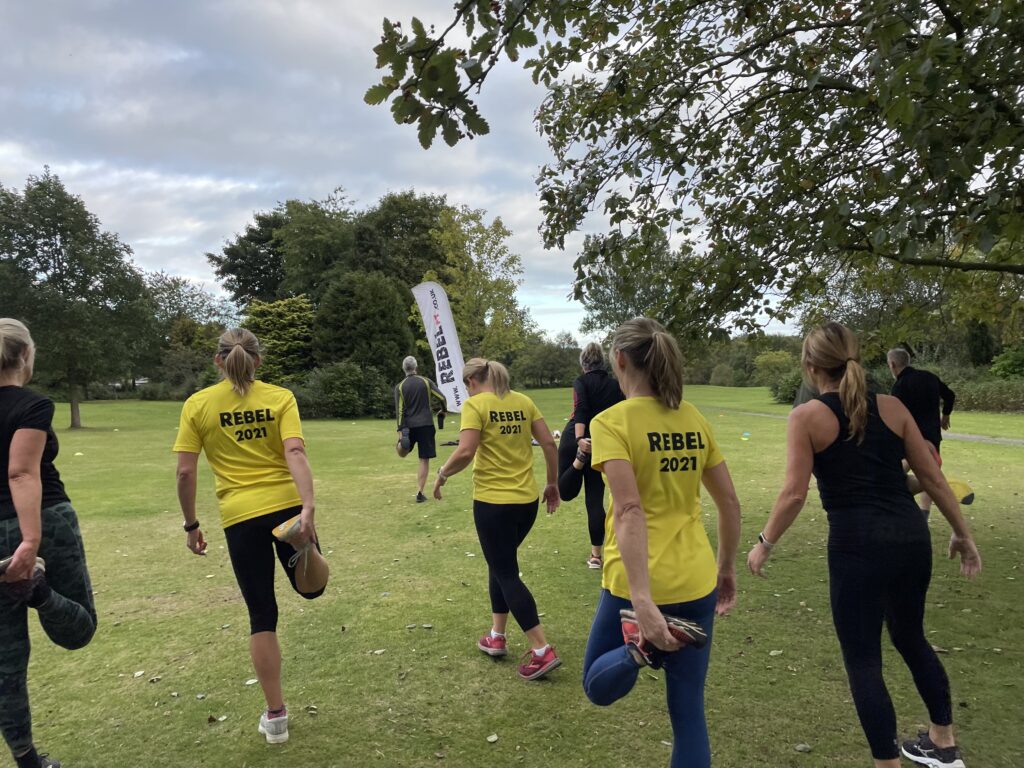
Dynamic stretching involves performing a series of controlled movements that mimic the activity or sport that is about to be performed. This type of stretching involves actively moving joints through their range of motion rhythmically and repetitively to increase blood flow to the muscles and joints and improve mobility, flexibility, and coordination. Dynamic stretching is typically done before exercise or athletic activities and can prepare the body for physical activity, enhance athletic performance, and reduce the risk of injury.
Dynamic stretching helps improve flexibility and range of motion and prepares your body for the physical demands of running.
You can include exercises like high knees, bottom kicks, leg swings, and lunges in your pre-run warm-up routine.
Here’s a great 5 minute stretch routine from Rebel Tom if you’re looking for some help with stretching
Wear Appropriate Running Shoes
You can read our full guide on what to wear to boot camp here, as we often run as part of our outdoor fitness routines.
Wearing comfortable and supportive running shoes is crucial for preventing injuries and improving performance. Choose running shoes that fit well, provide adequate cushioning, and support your arches.
Cross Training
Cross-training involves incorporating different activities and workouts into your fitness routine in addition to your main form of exercise, and this can aid your running capabilities. We often see people’s running improve by attending Rebel PT boot camps, which involve many different exercises – everything from sit-ups to burpees.
The goal is to improve overall fitness, prevent injury by working different muscle groups and movement patterns, and prevent boredom and burnout by adding variety to your workout routine. Cross-training can include anything from swimming, cycling, and strength training to yoga, pilates, and dance.
Cross-training can boost your running. It increases your fitness and strength without putting stress on your body. As a result, you will notice improved running performance and general fitness. Cross-training can help prevent boredom and burnout by adding variety to your workout routine.
Monitor Your Heart Rate

Heart rate is important when planning and running a 5k race. Monitoring your heart rate during training can help you determine your fitness level and workout intensity and track your progress.
Baseline heart rate: Before you start training for a 5k race, it is important to establish your baseline heart rate. This can be done by taking your pulse before leaving for your run. Record your heart rate over several days to establish a baseline which helps you monitor your heart rate during exercise.
Target heart rate: Your target heart rate is the range of heartbeats per minute (BPM) you should aim for during exercise. A very basic way to identify to calculate your target heart rate, subtract your age from 220 and multiply the result by 0.6 and 0.8. For example, if you are 30 years old, your target heart rate range is between 114 and 152 BPM.
Warm-up and cool-down: Before and after a 5k race, it is important to warm up and cool down properly. This can help prepare your heart and body for exercise and prevent injury. A proper warm-up includes things like light cardio exercises and dynamic stretching. A proper cool-down might include some static stretching and walking.
You can use a heart rate monitor or a fitness app to measure your heart rate during your runs, such as using a smartwatch. You should aim to keep your heart rate within your target heart rate range. If your heart rate goes too high, slow down and take a break if necessary.
Recovery: After the race, allowing your heart rate to return to normal before stopping your cool-down is important. This can help prevent blood pooling in your legs, which can cause dizziness or fainting.
Plan for Race Day

On race day, arrive early, warm up properly, and wear comfortable running clothes, including running shoes, as discussed above.
Ensure you have all the necessary equipment, like a water bottle (if needed) and a smartwatch to monitor your pace and time.
Mentally Prepare for the Race
Running a 5K race can be physically and mentally challenging. Visualise yourself crossing the finish line, practice positive self-talk, and focus on your running form and breathing during the race.
Preparing for and running a 5K run requires dedication, discipline, and consistent training. Following the tips and hints outlined here, you can increase your chances of running a successful race and achieving your goals.
Rebel PT
It’s our goal to help you meet your fitness goals, challenges and ambitions – if you need help working towards something specific like a 5K, 10K, marathon or something you have always wanted to achieve, like walking a Munro, then share your goals with us. We love to see Rebels achieving their fitness goals.If you haven’t been to a Rebel PT outdoor fitness session in Aberdeen or Edinburgh, you can sign up for a free trial here or check out our various events.